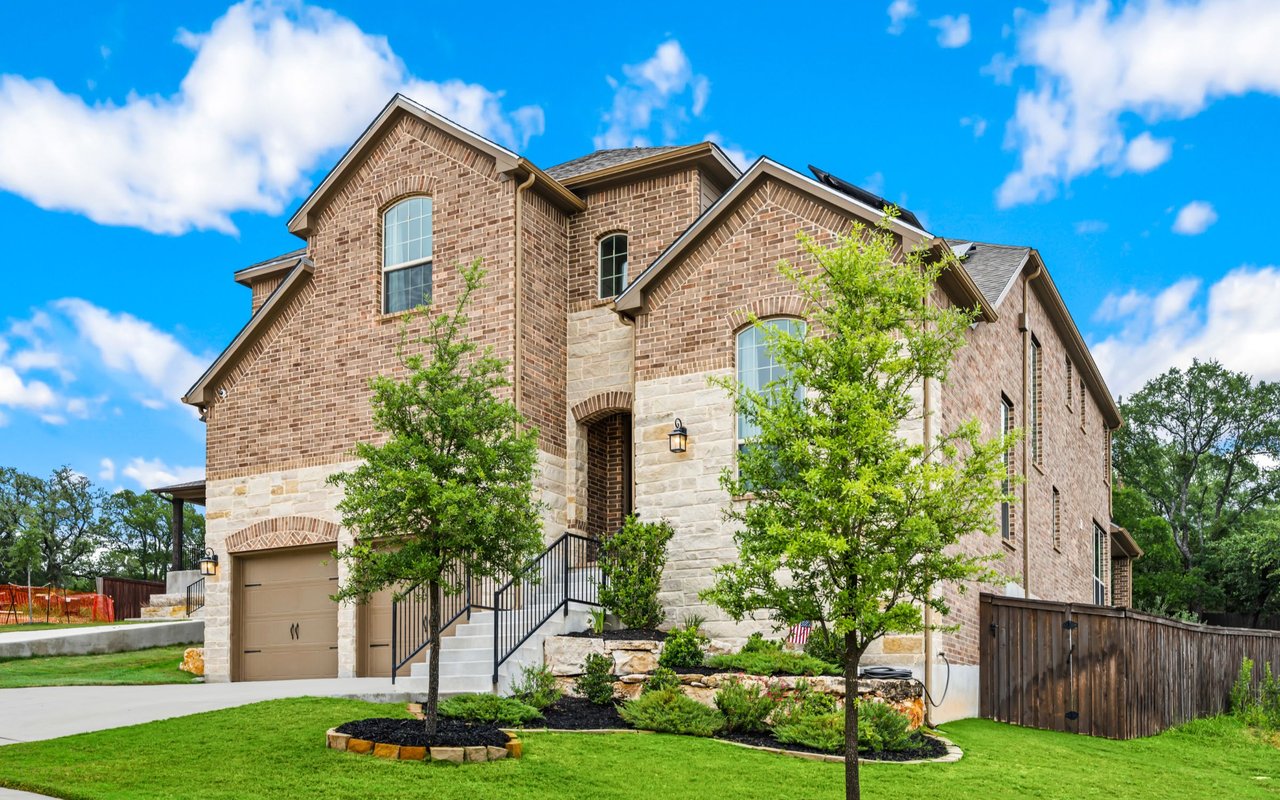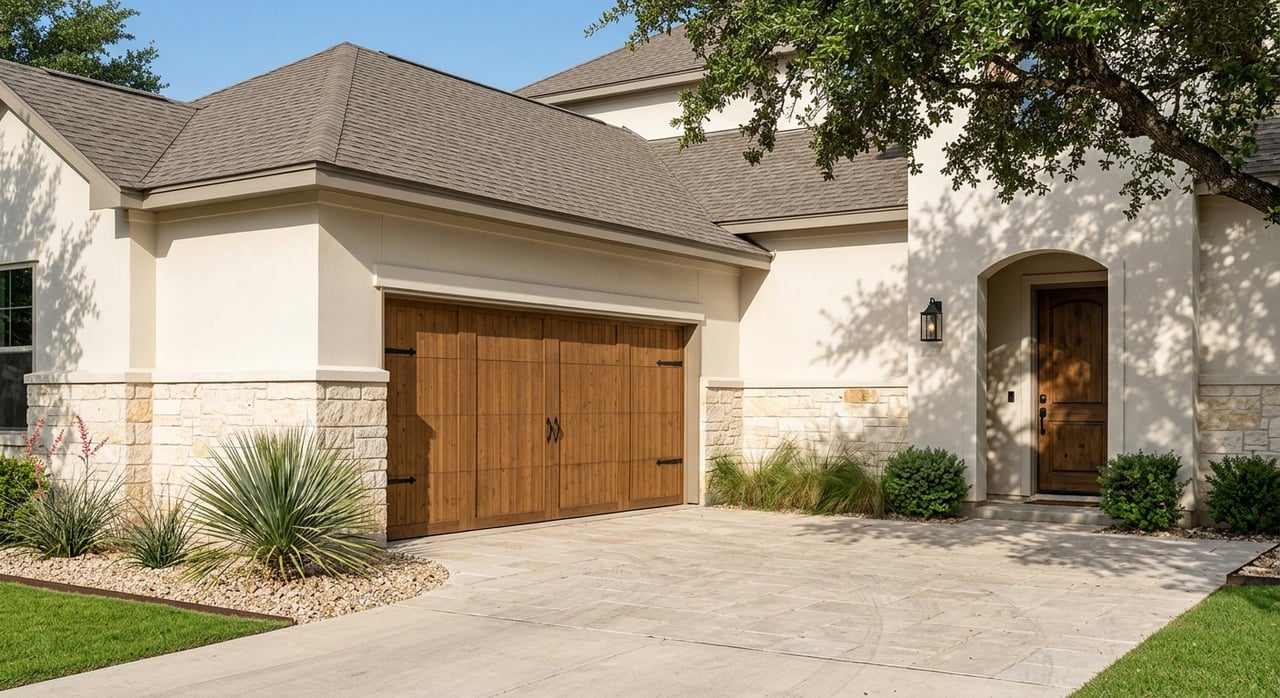
Thinking about a second home in Horseshoe Bay? It is easy to focus on lake views, weekend plans, and the idea of an easy escape. But before you buy, it helps to understand how ownership works here, because taxes, utilities, club access, POA rules, and rental regulations can vary from one property to the next. This guide will help you sort through the details so you can buy with more confidence and fewer surprises. Let’s dive in.
Why Horseshoe Bay Appeals to Second-Home Buyers
Horseshoe Bay is a resort-oriented community on the southern shore of constant-level Lake LBJ. The resort describes it as about a 45-minute drive from Austin, which makes it appealing if you want a getaway that still feels accessible.
For many buyers, the draw is flexibility. You may want a private retreat, a place to host family and friends, an amenity-focused club home, or a property you use only part of the year. In Horseshoe Bay, your intended use matters because ownership layers are separate and can affect both cost and convenience.
Start With Your Intended Use
Before you compare homes or neighborhoods, get clear on how you plan to use the property. That one decision can shape which homes make sense and which questions you need answered before you write an offer.
A second home in Horseshoe Bay might serve different goals, including:
- A private weekend retreat
- A gathering place for family and guests
- A home centered around resort or club amenities
- An occasional short-term rental, if allowed
The city and resort make an important distinction here. Homeownership, private club access, HOA or POA membership, and city services are not the same thing. A property may give you one layer of access, while other benefits may require separate membership, approval, or fees.
Know the Ownership Layers
One of the biggest mistakes second-home buyers can make is assuming everything comes bundled together. In Horseshoe Bay, that is not always the case.
The city distinguishes between city government, POAs, ACCs, and the resort. City code officers enforce city ordinances, while neighborhood POAs handle their own private rules. The city also notes that it does not enforce deed restrictions or covenants, because those are civil HOA or POA matters.
That means you may need to review several overlapping systems before you buy. Depending on the property, you could be dealing with city rules, a POA or maintenance fund, architectural approvals, and separate resort club access.
POA and ACC rules matter
The Horseshoe Bay Property Owners’ Association says it is the largest of several POAs in the city, with boundaries that include Horseshoe Bay South, Horseshoe Bay North, Horseshoe Bay proper, and Horseshoe Bay West. It also notes that its Maintenance Fund is separate from the POA itself.
If you plan to make exterior changes, approvals may matter as much as the home itself. The HSB ACC requires prior approval before work begins on items such as grading, additions, pools, irrigation systems, fences, retaining walls, boathouses, or boat slips. Even after ACC approval, city permits may still be required.
Club access is separate
If resort amenities are part of your vision, ask detailed questions early. The resort states that some amenities are reserved for Club members or overnight guests, and memberships are offered to both second homeowners and primary residents.
Do not assume the property purchase includes club access. Ask whether membership is included, optional, separate, or transferable, and which amenities are tied to that membership.
Budget for the Full Cost of Ownership
A second home budget should go beyond the monthly mortgage payment. In Horseshoe Bay, the smarter move is to build your budget around the full ownership stack.
That stack can include:
- Local property taxes
- Utility charges
- POA or HOA fees
- Maintenance Fund charges
- Club dues, if applicable
- Special assessments
- Repair reserves for a home that may sit vacant part of the year
When you compare homes, make sure you are comparing all of these costs, not just purchase price.
Property taxes can vary by county
Horseshoe Bay is in both Llano and Burnet counties. The city says tax collection and appraisal contacts depend on the parcel’s county location, so this is one of the first details to verify.
Texas has no state property tax. Local taxing units set the bill, and Horseshoe Bay’s current city tax rate is $0.26775 per $100 of assessed value. The city explains that a $100,000 home would pay about $267.75 per year in city tax alone.
City property taxes are billed in October and become delinquent after January 31 of the following year. Since the city rate is only one part of the total tax picture, ask for a full estimate based on the property’s actual county and appraisal district.
Do not assume a homestead exemption
For second-home buyers, this point is important. A general residence homestead exemption in Texas must apply to your principal residence, and Horseshoe Bay’s 20% city homestead exemption is for full-time residents.
If you are buying a true second home, do not build your numbers around a homestead exemption unless a qualified professional confirms eligibility. A clean budget starts with the more conservative assumption.
Utilities should be part of the upfront math
The city provides water, sewer collection, recycling, and solid-waste services. Garbage appears on the same bill as water and sewer, and new accounts require a $200 security deposit.
Using the city’s posted inside-city residential rates, a standard 5/8 x 3/4 meter has a base monthly water charge of $40.66, sewer is $60.64 per month, and residential garbage pickup is $32.33 per month before water usage charges. That totals $133.63 in listed base monthly charges.
Some outside-city tracts may pay an added $36.17 outside-service fee plus higher volumetric rates. If you are comparing two homes with similar prices, this is one of those details that can affect your long-term carrying cost.
Plan for Long-Distance Ownership
If your Horseshoe Bay home will not be occupied full time, day-to-day management matters. A property that looks simple on paper can require more oversight when you are away.
The city offers the WaterSmart portal, which can send leak notifications and show hourly usage charts. The utility office also asks owners to keep account information current for emergency contact purposes, which is especially important if you live elsewhere most of the year.
Ask about grinder-pump systems
Some homes use a grinder-pump sewer system. The city says owners should contact utility staff immediately if the red light comes on and should not turn off the breaker when leaving town.
That may sound like a small detail, but for a second-home owner it is an important one. Before closing, ask whether the home has any equipment that needs monitoring while you are away and what the routine expectations are.
If You May Rent the Home, Verify the Rules First
If rental income is part of your plan, treat that as a due-diligence item from day one. In Horseshoe Bay, city approval and private neighborhood restrictions are separate.
The city requires an annual short-term rental permit for stays of less than 30 consecutive days. The annual fee is $600, and the operator or designated agent must be able to respond to complaints within one hour.
Just as important, city approval does not replace private HOA or POA restrictions. You will want to confirm both the city requirements and any neighborhood-level rules before you count on rental use.
Questions to Answer Before You Make an Offer
A strong second-home purchase starts with the right questions. In Horseshoe Bay, these are some of the most useful ones to answer before you move forward:
- Which county is the parcel in, Llano or Burnet?
- Which appraisal district will value the property?
- Is there a POA, HOA, Maintenance Fund, or ACC that applies?
- Does the property include club access, or is membership separate?
- Is the home inside the city utility area or in an outside-service tract?
- Are there any lot-specific or subdivision-level assessments?
- Will future improvements require ACC approval, city permits, or both?
- If you may rent it, what city permit and private restrictions apply?
- Does the home use a grinder-pump sewer system or other equipment that needs monitoring?
These questions can help you compare properties more accurately and avoid costly assumptions.
A Smart Way to Compare Horseshoe Bay Homes
When you look at second homes in Horseshoe Bay, try not to judge them by photos, price, or even location alone. The better comparison is how well each home fits your intended use and your comfort level with ongoing costs and rules.
For one buyer, the right fit may be a low-hassle retreat with simple utility service and no interest in club access. For another, it may be a home that supports entertaining, club membership, and occasional rental use, as long as the rules line up.
That is why details matter so much here. The best purchase is not just the house you like most. It is the one whose full ownership stack matches the way you actually plan to use it.
If you are weighing a second-home purchase in Horseshoe Bay, having a local guide can make the process much easier. From helping you ask the right pre-offer questions to spotting cost and rule differences that are easy to miss, Shelley Herman can help you move forward with clarity.
FAQs
What should second-home buyers know about property taxes in Horseshoe Bay?
- Horseshoe Bay is in both Llano and Burnet counties, so tax collection and appraisal contacts depend on the parcel location. The city tax rate is $0.26775 per $100 of assessed value, but that is only one part of the total property tax bill.
Can a second home in Horseshoe Bay qualify for a homestead exemption?
- A general residence homestead exemption in Texas applies to your principal residence, and Horseshoe Bay’s city homestead exemption is for full-time residents. A true second home generally should not be assumed to qualify.
Do Horseshoe Bay homes automatically include resort club access?
- No. The resort states that some amenities are reserved for Club members or overnight guests, so buyers should confirm whether club access is included, optional, separate, or transferable.
What utility costs should buyers expect for a Horseshoe Bay second home?
- Using the city’s posted inside-city residential rates, base monthly charges total $133.63 for water, sewer, and garbage before water-usage charges. Some outside-city tracts may also have an added outside-service fee and higher volumetric rates.
Can you use a Horseshoe Bay second home as a short-term rental?
- Possibly, but you need to verify both city and private rules. The city requires an annual short-term rental permit for stays under 30 consecutive days, charges a $600 annual fee, and requires a one-hour complaint response capability.