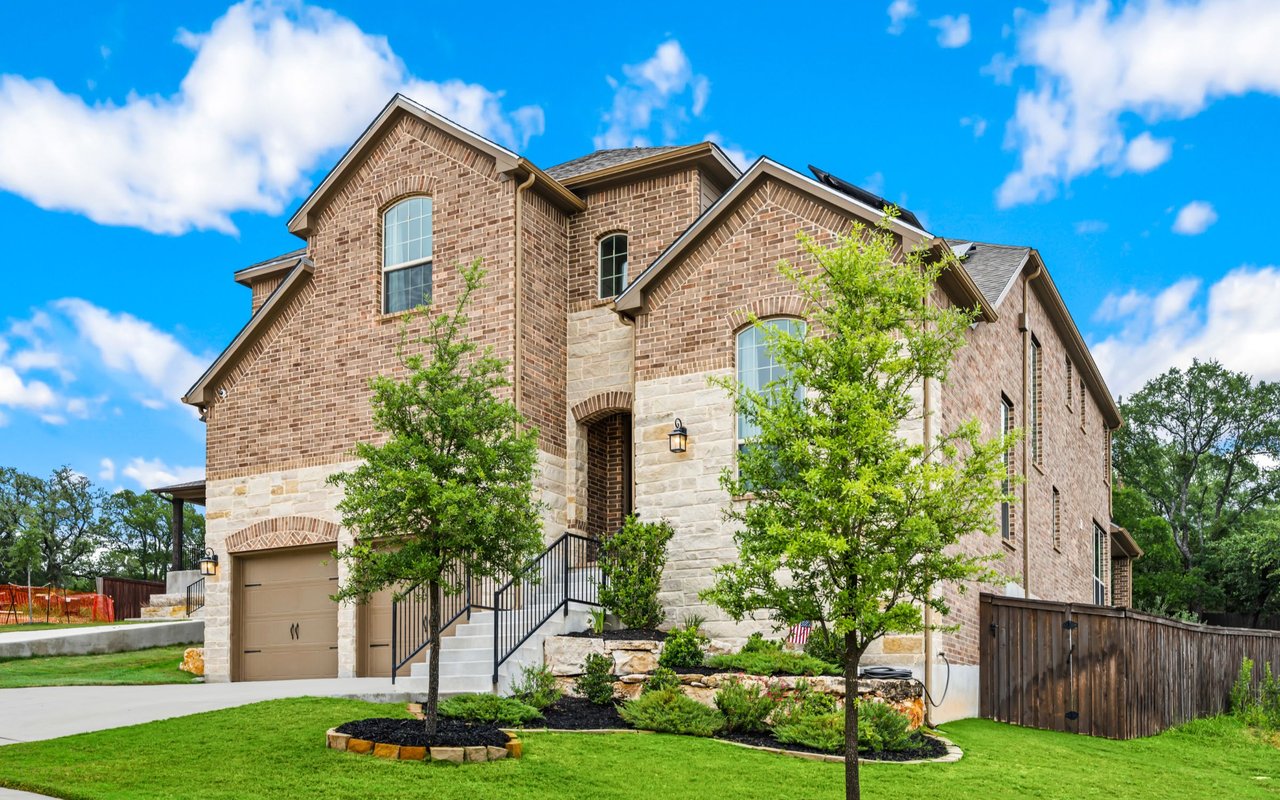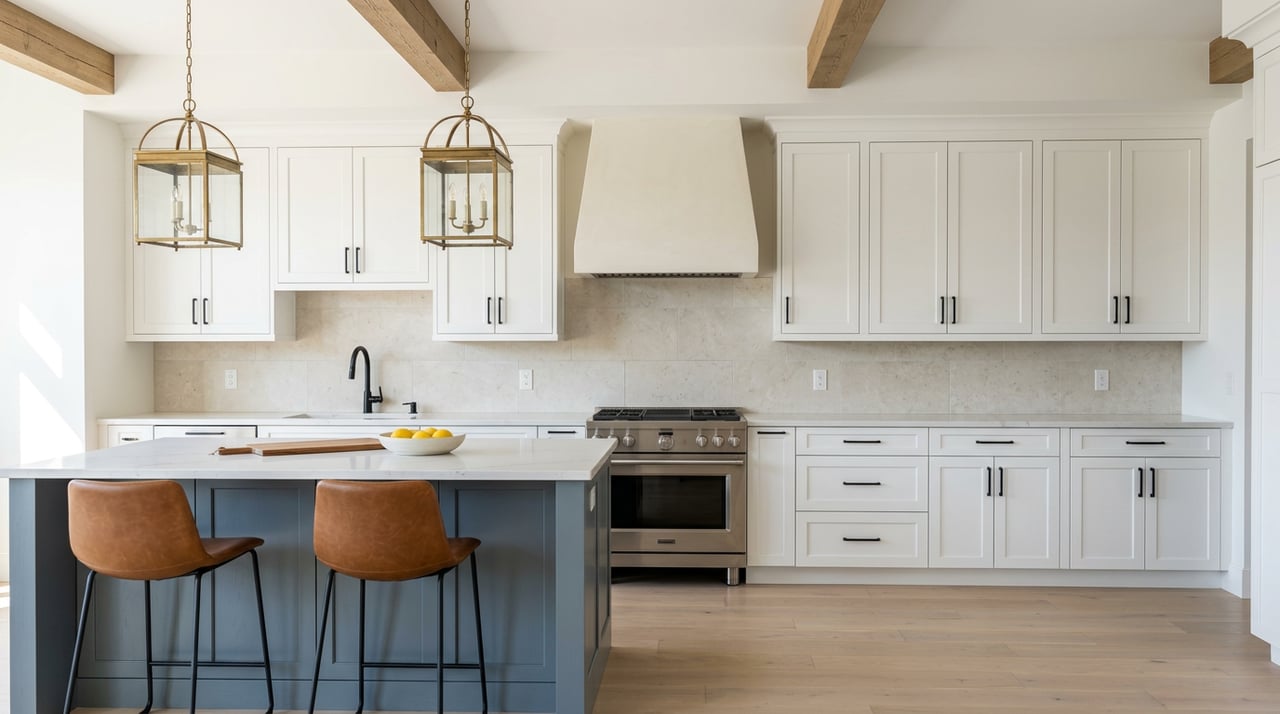
Thinking about a Hill Country getaway you can call your own? Fredericksburg offers wineries, a walkable Main Street, and easy weekend access from Austin, San Antonio, and even DFW. Whether you want a quiet retreat or a place that can help offset costs with short-term rentals, a clear plan will save you time and money.
In this guide, you’ll learn what to expect on price, how travel logistics work, what to know about short-term rental rules, and how to budget for ownership. You’ll also get a simple checklist to use before you make an offer. Let’s dive in.
Why Fredericksburg works
Fredericksburg blends small-town charm with big tourism demand. Visitors come for wineries and tasting rooms, Enchanted Rock, festivals, and a lively downtown. That steady flow supports both personal-use second homes and well-run vacation rentals.
From Austin, the drive is usually about 1 hour 15 minutes to 90 minutes. From San Antonio, plan on roughly 1 to 1.25 hours. DFW buyers often drive 4 to 4.5 hours or choose to fly into Austin or San Antonio, then drive the last hour. A newer semiprivate air shuttle, Ladybird Jet, launched service between Addison and Gillespie County Airport in 2025, which may shorten trips for some North Texas travelers. You can read about that service in the Dallas Morning News’ coverage of the launch of the air shuttle to Hill Country airports. Dallas Morning News reported on the new Ladybird Jet service.
What homes cost today
Different data sources report different price points because they track different things. The local MLS is the best source for parcel-level pricing when you are actively shopping. Instead of anchoring to one number, use ranges to set expectations.
- In-town cottages and condos often start in the low-to-mid six figures and climb into the high sixes.
- Renovated historic homes and luxury properties can push into the seven-figure range.
- Hill Country ranches, vineyard parcels, and acreage homes commonly land in the higher six to seven-figure band.
Your final price depends on location, condition, lot size, and whether STR use is allowed. If you plan to rent, the permit status and parking layout can also influence value.
Choose the right property type
Downtown cottages and condos
You get walkability to restaurants and tasting rooms. Lots tend to be smaller, and parking is tighter. If the property sits in a historic district, exterior changes can require approvals, which may raise renovation costs and extend timelines.
Newer subdivisions and amenities
These areas typically offer municipal or community utilities, sidewalks, and HOAs. You may find modest annual HOA dues. Review any rental restrictions in the covenants before you go under contract.
Ranches, acreage and cabins
Rural properties often rely on private wells and septic systems. Confirm well capacity and septic permits during inspections. Listings around Fredericksburg commonly show “well” and “septic” in the utilities fields, which signals extra maintenance and testing. For context on how utilities are listed, see this representative rural property page that calls out well and septic in the details. See a representative listing showing well and septic. You also need to weigh wildfire exposure and distance to services when choosing a weekend home.
Travel and access tips
- Austin and San Antonio offer the nearest major airports, each about an hour’s drive in typical traffic.
- Gillespie County Airport supports private and charter flights a few miles from downtown.
- For DFW owners, consider how often you plan to visit. A 4 to 4.5-hour drive may be fine for monthly trips. If you expect frequent quick stays, weigh flight options or the semiprivate shuttle noted above.
Renting it out: rules and revenue
If you plan to offset costs with short-term rentals, Fredericksburg has clear city rules you must follow.
Permits and compliance
The City of Fredericksburg requires a Short-Term Rental Permit for STRs within city limits. Permits include safety inspections, annual renewals, occupancy limits, designated 24-hour contacts, and parking requirements. Make sure you understand whether your property is inside city limits or in the ETJ or county areas, since rules can differ. Review the city’s guide for details and links to the application. Read the City of Fredericksburg STR FAQ and permit steps.
Occupancy, parking and taxes
Occupancy is often limited to two people per bedroom plus two, and the city prescribes off-street parking counts for many permit classes. Owners also collect and remit Hotel Occupancy Tax. Inside the city, owners commonly remit a combined 13 percent to cover city and state portions. The city outlines filing schedules and rules. See the city’s Hotel Occupancy Tax page.
What revenue looks like
Market snapshots from short-term rental analytics show average daily rates in the mid-$200s and median occupancy in the high-40 percent range over recent 12-month windows. Average annual gross revenue for a typical active listing has landed in the low-to-mid $40,000s. These are market medians, so a specific property can perform very differently based on location, size, amenities, and management quality. For current metrics, consult a platform dashboard or a local manager. Review Fredericksburg STR revenue and occupancy trends.
Pro forma basics
A simple STR model looks like this: (ADR × occupancy × available nights) minus platform fees, management fees, cleaning and utilities, HOT, supplies, and a maintenance reserve. Compare the net amount to your mortgage payment, property taxes, insurance, and HOA dues to see your expected cash flow. Because Fredericksburg is seasonal, model peaks and slower months separately.
Budget and risk checklist
Every vacation home has recurring costs. Build a realistic budget before you offer.
- Property taxes. Gillespie County publishes tax-rate summaries, including the county portion. Your total rate will also include school and city rates where applicable. Confirm the exact burden for the parcel during due diligence. Check Gillespie County tax-rate information.
- Insurance. Premiums vary based on wildfire risk, fire protection ratings, and flood zones. The Texas Department of Insurance recommends checking local fire protection and shopping early in due diligence. Wildfires in the Hill Country have been significant in recent seasons, which can affect underwriting and pricing. See Texas Department of Insurance guidance and related regional wildfire reporting.
- Utilities and services. Rural homes may use wells, septic, and propane. Budget for septic pumping and inspections, water testing, and routine system maintenance. If a well fails, hauled water may be needed until repairs are complete.
- HOA and community fees. Review CC&Rs for rental rules, amenities, and any planned assessments.
- STR compliance. Include permit fees, inspections, annual renewals, tax filings, and guest-friendly upgrades like parking solutions and noise controls. The city’s STR FAQ outlines the process. Review the STR steps and requirements.
Financing your vacation home
Lenders treat second homes and investment properties differently. Conventional second-home loans often require larger down payments and strong credit. If the property will be primarily rented, an investment loan may apply, which usually has higher rates and larger down payments. Government programs like FHA and VA are not designed for vacation homes. Work with a lender experienced in second homes and STRs so the loan matches your plan for personal use versus rental use. For an overview, this guide explains how second-home financing typically works. Read a practical second-home financing overview.
Your due-diligence checklist
Use this list to move from browsing to a confident offer.
Pre-offer checks
- Verify zoning and whether the parcel is eligible for a Short-Term Rental Permit. Start with the city’s STR resources.
- If the seller claims an active STR permit, confirm the permit number and status with the city.
- Request from the seller: recent tax bills, HOA documents, septic permit or soil report, well logs or water tests, and roof/HVAC service records.
- If the home operates as an STR, ask for the past 12 months of booking history and copies of HOT filings.
- Check local fire protection, ISO/PPC ratings, and recent wildfire history. Get insurance quotes early if the parcel is in a higher-risk area.
Inspections and specialists
- General home inspection and structural review.
- Septic inspection and pump; well yield and water-quality test; electrical and propane system checks.
- Roof, gutters, and ember-resistive features for wildfire mitigation.
- Driveway and road access, especially for rural parcels and low-water crossings.
- If the home is historic or in a protected area, confirm requirements for exterior changes.
- Plan for the city’s STR inspection if you intend to operate a rental. Review inspection requirements in the STR FAQ.
Financial modeling
- Build a conservative rental case using local ADR and about 48 percent occupancy as a base-case median, then stress-test up or down by 10 percent. See Fredericksburg STR medians.
- Subtract platform fees, a 20 to 30 percent management fee if applicable, cleaning and utilities, HOT, a 5 to 10 percent maintenance reserve, and property taxes and insurance.
- Compare the result to your expected mortgage payment and HOA dues to find your net cash flow.
Key decision points
- How often will you use the home personally, and during which seasons or weekends.
- Whether you want a turnkey, manager-run STR or to self-manage from home.
- If rental income must cover most of the mortgage or simply help offset costs.
- Your comfort with wildfire and flood risk, plus possible insurance volatility.
- In-town walkability versus rural privacy and acreage.
Ready to explore your options?
Fredericksburg can be a smart fit if you want a weekend escape that also attracts steady guests during peak seasons. The right property comes down to your travel rhythm, your comfort with STR rules and operating costs, and your appetite for rural systems like wells and septic.
If you are based in North Texas and want a clear plan, reach out for a practical, numbers-first conversation. With white-glove guidance and strong referral connections across the Hill Country, Shelley Herman can help you define your budget, shortlist properties aligned to your goals, and coordinate the right local pros so you can buy with confidence.
FAQs
Is Fredericksburg a good market for vacation homes?
- Yes, because steady tourism, a lively downtown, and Hill Country attractions create consistent demand for both personal-use homes and well-managed STRs.
What are the short-term rental rules in Fredericksburg?
- Inside city limits you need an STR permit, safety inspection, annual renewal, and compliance with occupancy, parking, and tax remittance rules; start with the city’s STR FAQ.
How much can a Fredericksburg STR earn?
- Market medians show ADR in the mid-$200s and occupancy in the high-40 percent range, with average gross revenue in the low-to-mid $40,000s, though results vary by property.
How far is Fredericksburg from major Texas cities?
- Plan about 1 to 1.5 hours from Austin or San Antonio and about 4 to 4.5 hours from DFW, or fly into AUS or SAT and drive the last hour.
What ownership costs surprise Hill Country buyers?
- Insurance in higher wildfire-risk areas, well and septic maintenance, STR permit and HOT filings, and property taxes that vary by city, county, and school district.
Do I need a second-home or investment loan?
- It depends on your personal-use plan; second-home loans fit mostly personal use, while primarily rented properties often require investment loans with different terms.