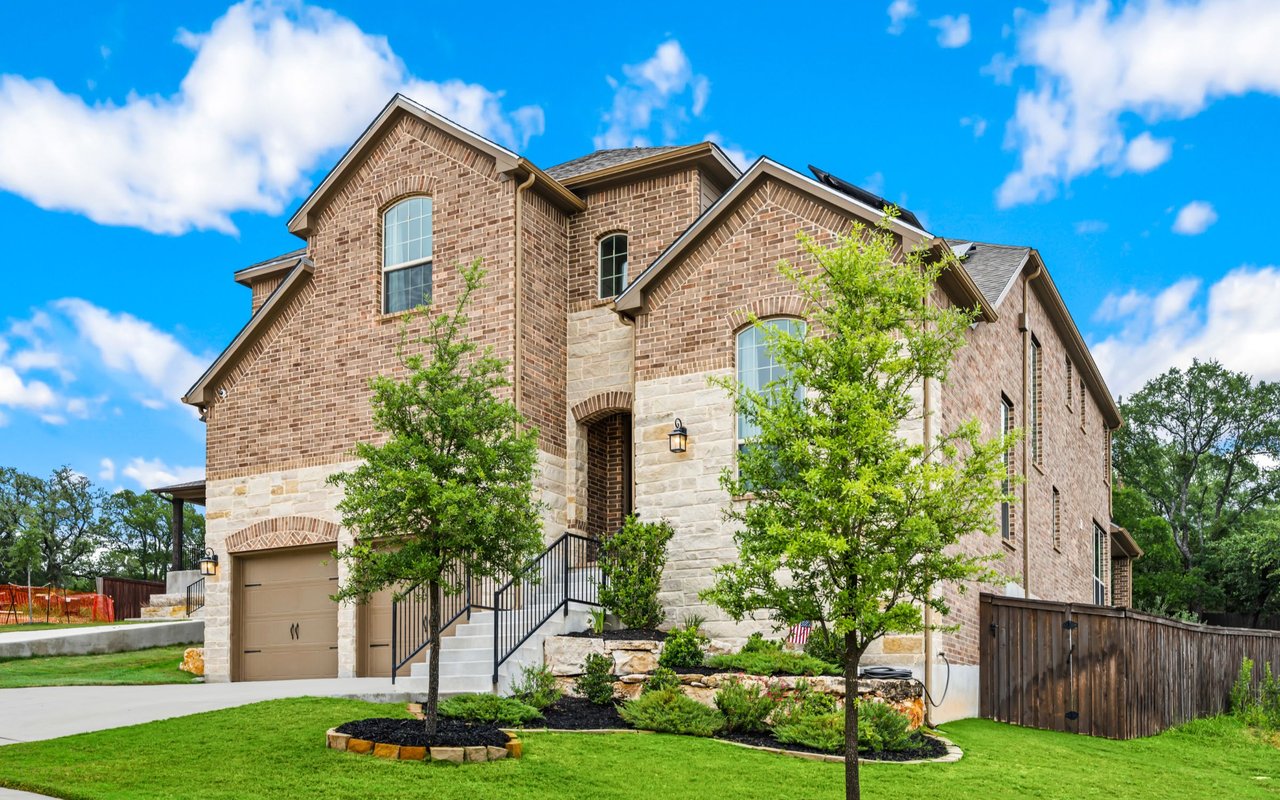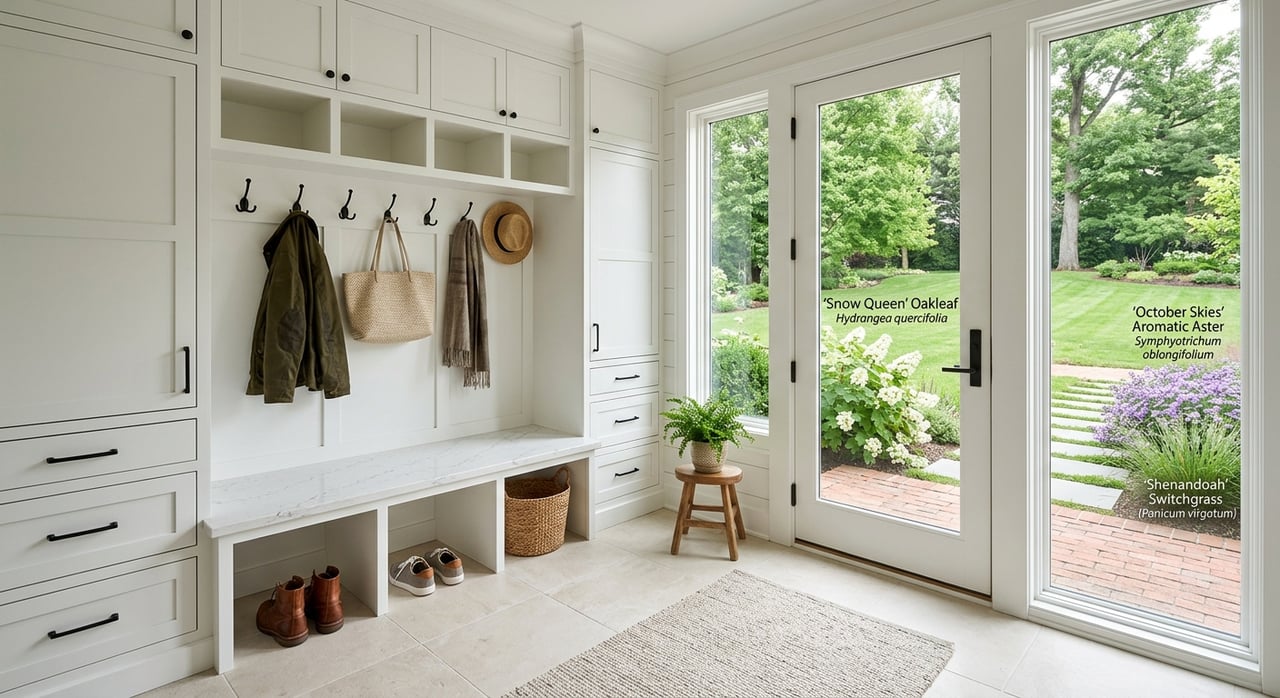
Are you thinking about buying a home in Kingsland that could also bring in rental income? That can be a smart move, but only if you look past the countertops and water views long enough to understand how the property can actually be used. If you want a home that works for your lifestyle and your budget, this guide will help you focus on the rules, costs, and property details that matter most before you close. Let’s dive in.
Why Kingsland takes extra homework
Kingsland is an unincorporated area in Llano County, which means you are not dealing with a city zoning map in the way you might expect in an incorporated town. Llano County’s planning materials note that there is no local government for service provision in Kingsland and no current or future land-use map for the community. In practical terms, that means your due diligence should center on county requirements, subdivision restrictions, deed restrictions, floodplain issues, septic matters, and any applicable special districts.
That matters because a home that looks rental-friendly at first glance may come with limits that affect how you plan to use it. Before you make an offer, it helps to decide whether you want a long-term rental, a short-term rental, or a hybrid second-home setup. That decision shapes nearly every part of your research.
Choose your rental strategy early
A rental-friendly purchase starts with a simple question: how do you want the home to perform for you? In Kingsland, that answer affects taxes, registration, compliance, and day-to-day management.
Short-term rental use
If you plan to rent the home for stays of 29 days or less, Texas treats that as short-term lodging for hotel occupancy tax purposes. In unincorporated Llano County, qualifying lodging is generally subject to a 4% county hotel occupancy tax plus the 6% Texas state rate. That means you should typically underwrite a 10% occupancy-tax layer before you factor in platform fees or management costs.
Llano County’s rules define taxable lodging broadly. The definition can include homes, cabins, cottages, condominiums, manufactured homes, bed and breakfasts, and several other lodging types. The county also states that cleaning fees and pet fees are included in taxable receipts, which can change your income projections if you were planning to treat those charges separately.
Long-term rental use
If you plan to lease the home for longer stays, your cost and risk profile looks different. Texas landlord-tenant rules will matter more than hotel occupancy tax rules, and your planning should include lease setup, repair responsibilities, security-deposit handling, and the legal process for notices or eviction if problems arise.
Texas guidance shows that landlords generally must provide written notice to vacate before filing for eviction, with the usual notice period being at least three days unless the lease says otherwise. Security deposits are generally due back within 30 days after the tenant surrenders the property, and withheld amounts typically require itemized deductions when applicable. Those rules are manageable, but they should be part of your budget and operating plan from the beginning.
Hybrid personal and rental use
Some buyers want a second home they can enjoy personally while renting it part of the year. That can work well, but only if the property layout supports both uses. You will want to think about owner storage, easy cleaning, parking, wear-and-tear, and how quickly the home can turn over between uses.
Check private restrictions before you assume anything
In Kingsland, private restrictions can be just as important as county rules. Llano County subdivision materials reference existing deed restrictions and active POA or HOA information, which means a property’s allowed use may depend heavily on recorded documents and association rules.
This is one of the biggest reasons rental buyers get tripped up. A home may sit in an area without city-style zoning, but that does not automatically mean you can use it any way you want. Before closing, review the plat, deed, subdivision documents, and any HOA or POA materials to confirm whether your intended rental plan is allowed.
Review county permits and site conditions
A rental plan also needs to match the property’s physical realities. In Kingsland, floodplain and septic issues deserve close attention because they can affect both current use and future improvements.
Llano County Development Services notes that separate review by other local, county, state, or federal offices may be required before a permit is issued. The county’s floodplain guidance also states that work in special flood-hazard areas requires a development permit and one foot of freeboard above the base flood elevation. If you are considering upgrades, expansions, repairs, or changes to the site, those requirements can affect cost and timing.
This is why an attractive home with “potential” is not always the best rental buy. If the parcel has floodplain limits, septic concerns, or permit hurdles, your renovation budget and timeline may look very different from what you first imagined.
Confirm the property tax picture
Carrying costs in Kingsland can vary a lot from one parcel to another. Llano CAD appraises property for 16 local governing bodies, and its materials show that parcels may fall under different combinations of taxing units, including MUDs and emergency-services districts.
For you, that means the monthly cost of ownership is not something to estimate loosely. You need to confirm the exact taxing units tied to the property and understand how those district lines affect your full payment picture. A home that looks similar to another on paper may carry meaningfully different annual tax costs.
Budget beyond the mortgage payment
A rental-friendly purchase only works if the numbers stay realistic after closing. Mortgage principal and interest are just the starting point.
Your budget should also account for:
- Property taxes based on the parcel’s actual taxing units
- Insurance
- Utilities
- Routine maintenance
- Cleaning and turnover costs
- Reserve funds for repairs
- Occupancy-tax administration for short-term rentals
- Property management costs, if you will not self-manage
For short-term rentals, there is another important detail. The Texas Comptroller says property-management companies and online travel companies may be responsible for collecting tax in some cases, but you should not assume a platform handles the entire state and local remittance process automatically. That piece needs to be clarified before you buy, not after your first booking.
Look for features that support rental use
The best rental-friendly home is not always the flashiest one. In many cases, practical design wins.
Features that help operations run smoothly
Look for details that make the home easier to maintain, easier to clean, and easier to turn over between occupants. Useful features often include:
- Durable flooring and finishes
- Easy-clean surfaces
- Simple, efficient traffic flow
- Flexible sleeping arrangements
- Adequate owner and guest storage
- Enough parking for expected use
If you plan hybrid use, the layout matters even more. Lock-off storage, limited wear on high-cost areas, and a cleaning-friendly floor plan can make the home far easier to manage over time.
Build the right support team
Even a strong property can become stressful if you do not have the right people helping you. For a Kingsland purchase with rental goals, the most useful team often includes a tax professional, a Texas real estate or landlord-tenant attorney, a property manager, and an inspector or contractor who understands septic, floodplain, and maintenance issues.
This step is especially important if you are buying from outside the immediate area or planning a second-home setup. The more moving parts your purchase has, the more valuable it becomes to have professionals who can help you confirm rules, costs, and responsibilities before they become problems.
A practical due diligence checklist
Before you buy a rental-friendly home in Kingsland, work through these questions:
- Is the property in unincorporated Kingsland?
- What deed restrictions, HOA rules, or POA rules apply?
- Are there floodplain, septic, road-cut, or other county permit issues to review?
- Which taxing units apply to the parcel?
- If the home will be rented short-term, who will handle registration, reporting, and hotel occupancy tax remittance?
- If the home will be leased long-term, who will help with lease drafting, repair notices, deposit handling, and legal process if needed?
If you can answer those questions clearly before closing, you will be in a much stronger position to buy with confidence.
Focus on usable value, not just curb appeal
In Kingsland, the strongest rental purchase is usually the one that works well on paper before it ever works well online. Cosmetic upgrades and lake-area appeal can absolutely matter, but they should come after you confirm the parcel’s legal, tax, and operating profile.
When you buy with that mindset, you give yourself a better chance to own a home that can be rented efficiently, legally, and with fewer surprises. That is the kind of planning that protects both your enjoyment of the property and your long-term financial goals.
If you want help evaluating a Kingsland home with rental potential, Shelley Herman can help you look at the purchase through a smart, detail-focused lens and guide you toward a smoother decision.
FAQs
What makes a home purchase rental-friendly in Kingsland?
- A rental-friendly home in Kingsland is one that fits your intended use, complies with county and private restrictions, and has carrying costs and property features that support efficient operation.
What taxes apply to a short-term rental in Kingsland?
- For qualifying short-term rentals in unincorporated Llano County, buyers should generally plan for a 6% Texas hotel occupancy tax plus a 4% Llano County hotel occupancy tax.
What fees are included in taxable short-term rental receipts in Llano County?
- Llano County states that cleaning fees and pet fees are included in taxable receipts for hotel occupancy tax purposes.
What should a buyer verify about restrictions before buying in Kingsland?
- You should review the plat, deed restrictions, and any HOA or POA documents to confirm whether your planned rental use is allowed.
What county issues should a rental-property buyer review in Kingsland?
- Buyers should review floodplain status, septic concerns, and any county permit requirements that could affect use, repairs, or future improvements.
Why do property taxes vary from one Kingsland home to another?
- Property taxes can vary because parcels may fall under different combinations of taxing units, including county, school, MUD, and other district lines.
What should a long-term rental buyer know about Texas security deposits?
- Texas guidance explains that security deposits are generally due back within 30 days after the tenant surrenders the property, with itemized deductions when applicable.
Who should be on your team for a rental-friendly home purchase in Kingsland?
- A strong support team often includes a tax professional, a Texas real estate or landlord-tenant attorney, a property manager, and an inspector or contractor familiar with local property issues.